

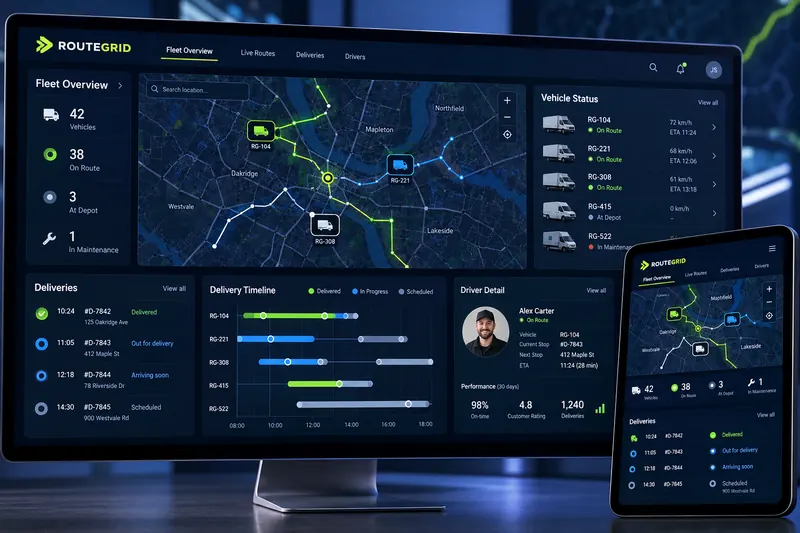
 Logistics Software
AI Automation & Integrations · Melbourne Design Studio
AI Automation and Integrations for Repetitive Work
Reduce manual handling without automating judgement blindly. We map the workflow, connect systems and place review points where errors carry consequences.
- 20+ yearsdesign and UX experience
- Melbourne-basedstudio in Truganina, VIC
- One teamstrategy, design and build
- Free quotesclear and no obligation
AI Automation & Integrations at Melbourne Design Studio
Reliable automation depends on clean triggers, defined data, permissions, exception handling and accountable ownership. AI can assist with unstructured information, while deterministic rules remain better for many predictable tasks.
What’s included
Typical deliverables for AI automation & integrations. Your proposal confirms the exact scope, so you only pay for what you need.
Process mapping
A clear map of how work flows today, including handovers, delays and repetitive steps.

Suitability assessment
An honest assessment of which steps suit automation and which need people.
Integration architecture
A design for how systems connect and data moves securely between them.
API and webhook connections
Integrations built with APIs and webhooks so your tools share information automatically.
Document extraction
Key details extracted from forms, emails and documents to reduce manual data entry.
Classification
Incoming items sorted by type, urgency or topic so they reach the right place faster.
Routing
Rules that send work to the right person or system, with exceptions flagged.
Approval interface
A simple screen where people review and approve automated actions when needed.
Logs
Records of what the automation did and when, for troubleshooting and accountability.
Alerts
Notifications when something fails or needs attention, so problems are caught early.
Monitoring
Ongoing checks on accuracy, volume and reliability, with improvements over time.
Example: enquiry triage workflow
How a repetitive enquiry process can be automated while exceptions still reach a person.
- Enquiry arrivesWebsite form or inbox
- AI classifiesService, urgency and missing details
- CRM updatedContact and notes saved
- Team notifiedRight person, right channel
- ExceptionsUnclear cases routed to a human
Illustrative demo – example content, not client data
AI Automation & Integrations – selected work
Projects that show this kind of work in practice.
Logistics SoftwareCorporate Apparel DesignMeridian Logistics Uniform System
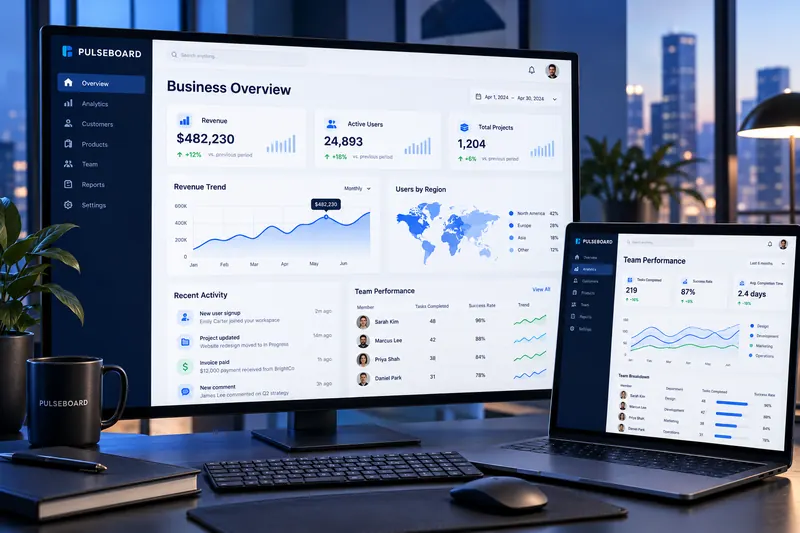
View case studyDashboard UI DesignPulseboard Business Analytics Dashboard
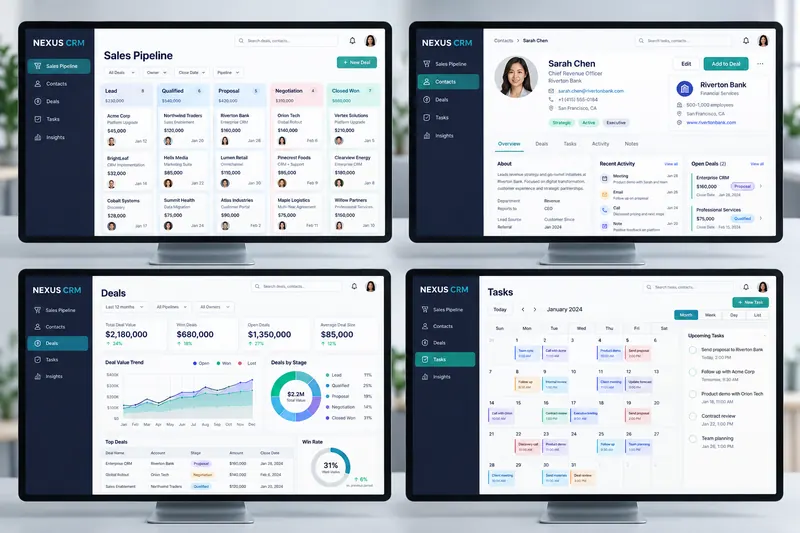
View case studyCRM Software DesignNexus Sales CRM
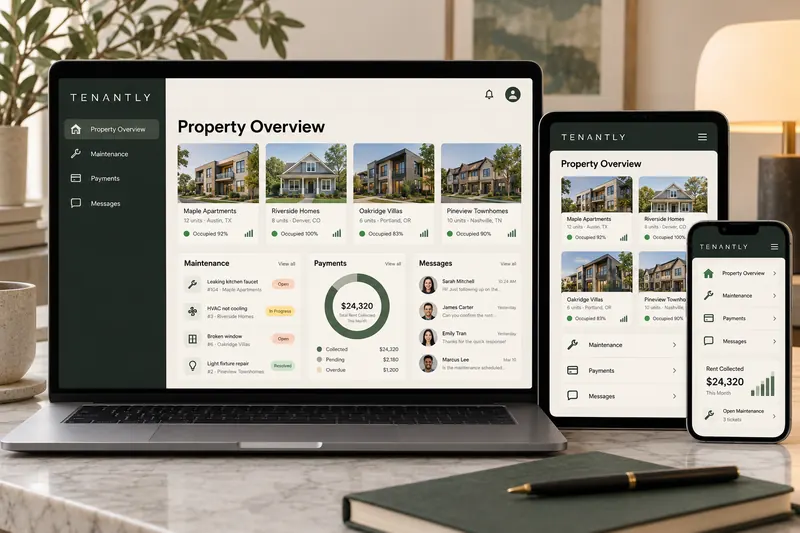
View case studyProperty SoftwareTenantly Property Management Platform
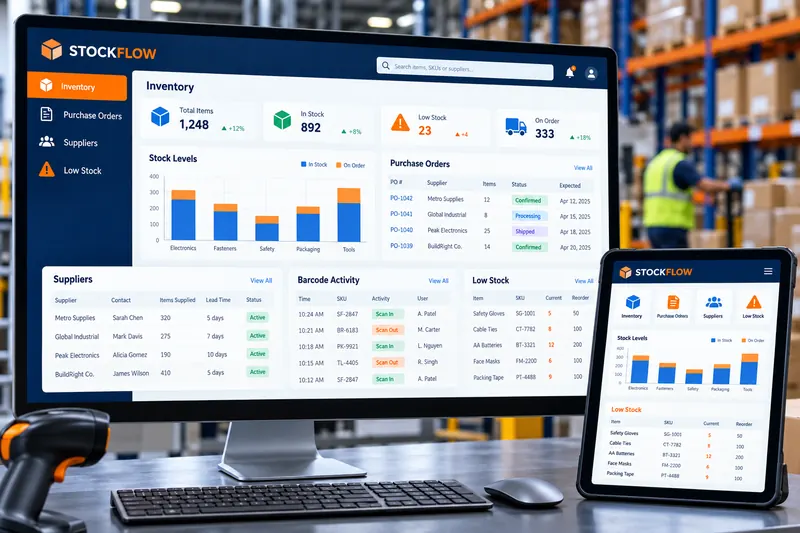
View case studyOperations SoftwareStockflow Inventory Management Software
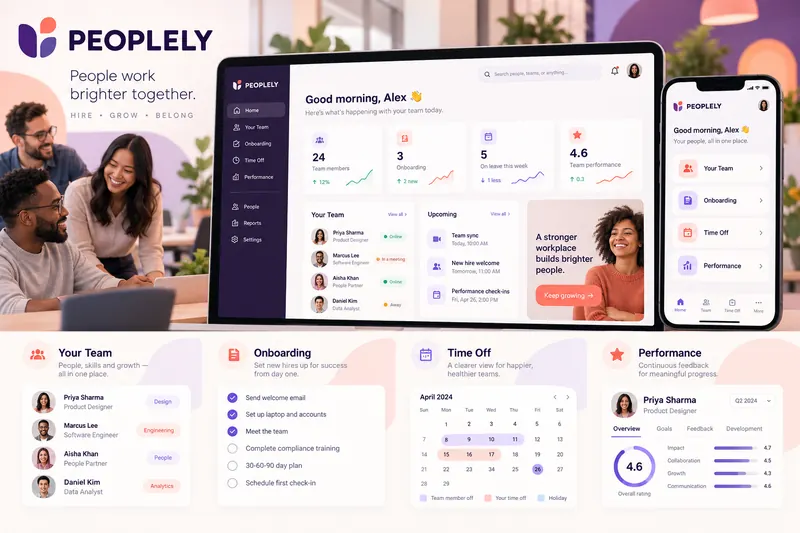
View case studyHR SoftwarePeoplely Human Resources Platform
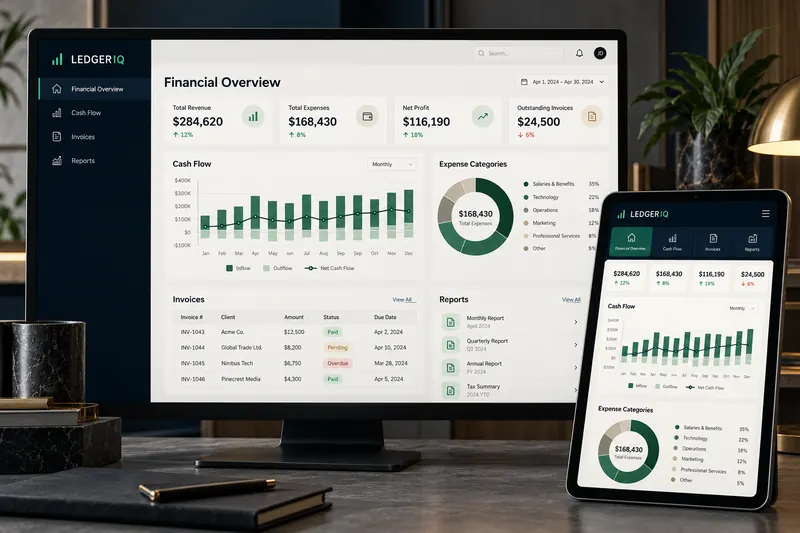
View case studyFintech DashboardLedgerIQ Financial Reporting Dashboard
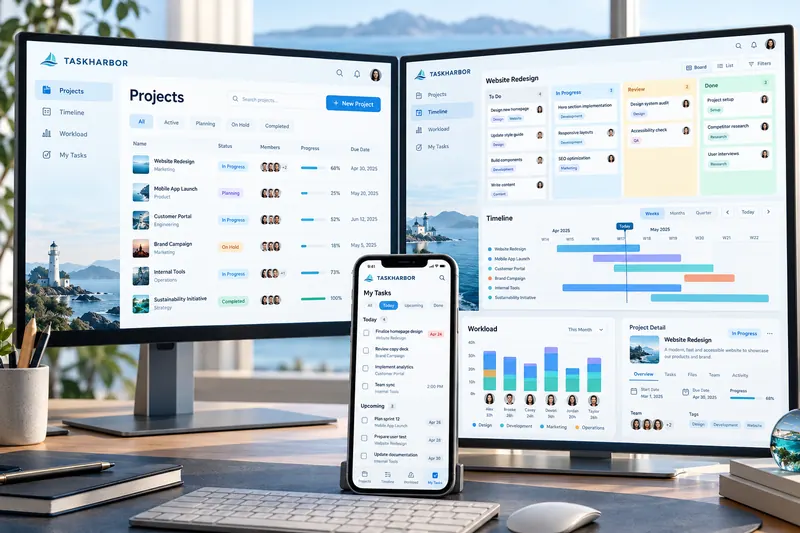
View case studyProductivity SoftwareTaskHarbor Project Management Software
View case studyHow we work
Clarify the task, users, data, risks and how quality will be measured.
Test a focused prototype with real examples before committing to a full build.
Develop, integrate and secure the solution with human review where it matters.
Monitor quality, cost and usage, then improve over time.
Related services
Frequently asked questions
Answers to common questions about AI automation & integrations. If yours is not here, ask us directly.
What can be automated?
The strongest candidates are repetitive, observable tasks with defined inputs and outcomes, such as sorting enquiries, extracting details from documents or updating records across systems. Tasks that need judgement often benefit from partial automation with human review.
Can you connect our CRM?
Where supported access or APIs exist, yes. We review your CRM and other tools, confirm what each allows and design integrations that are reliable and secure.
What happens when the automation makes an error?
Exceptions should be logged, surfaced and routed to a person. We design automations with checks, alerts and review steps so errors are caught and fixed rather than silently passed on.
Do you use tools like Zapier or Make?
Where they suit the task, yes. Off-the-shelf automation platforms are quick to set up for many workflows. For more complex or sensitive processes, a custom integration may be more reliable.
How do we measure the benefit?
We measure the current process first, such as time spent or turnaround times, then compare after automation so the benefit is based on real data.
Will automation replace our staff?
The aim is usually to remove repetitive work so your team can focus on tasks that need their skills and judgement. We design automations to support people, not to remove human oversight.
From the blog
Guides on AI automation & integrations
Practical articles from our team to help you plan and make informed decisions.
 AI Search & Content
How to Make Business Content Easier for AI Search to Understand
Make business content clearer for search and AI systems through direct answers, entity consistency, evidence, structure and accessible pages. UX & Conversion
Conversion Rate Optimisation for Small-Business Websites
Improve website conversions through clearer offers, better evidence, simpler journeys, useful measurement and responsible testing. UX & Conversion
